
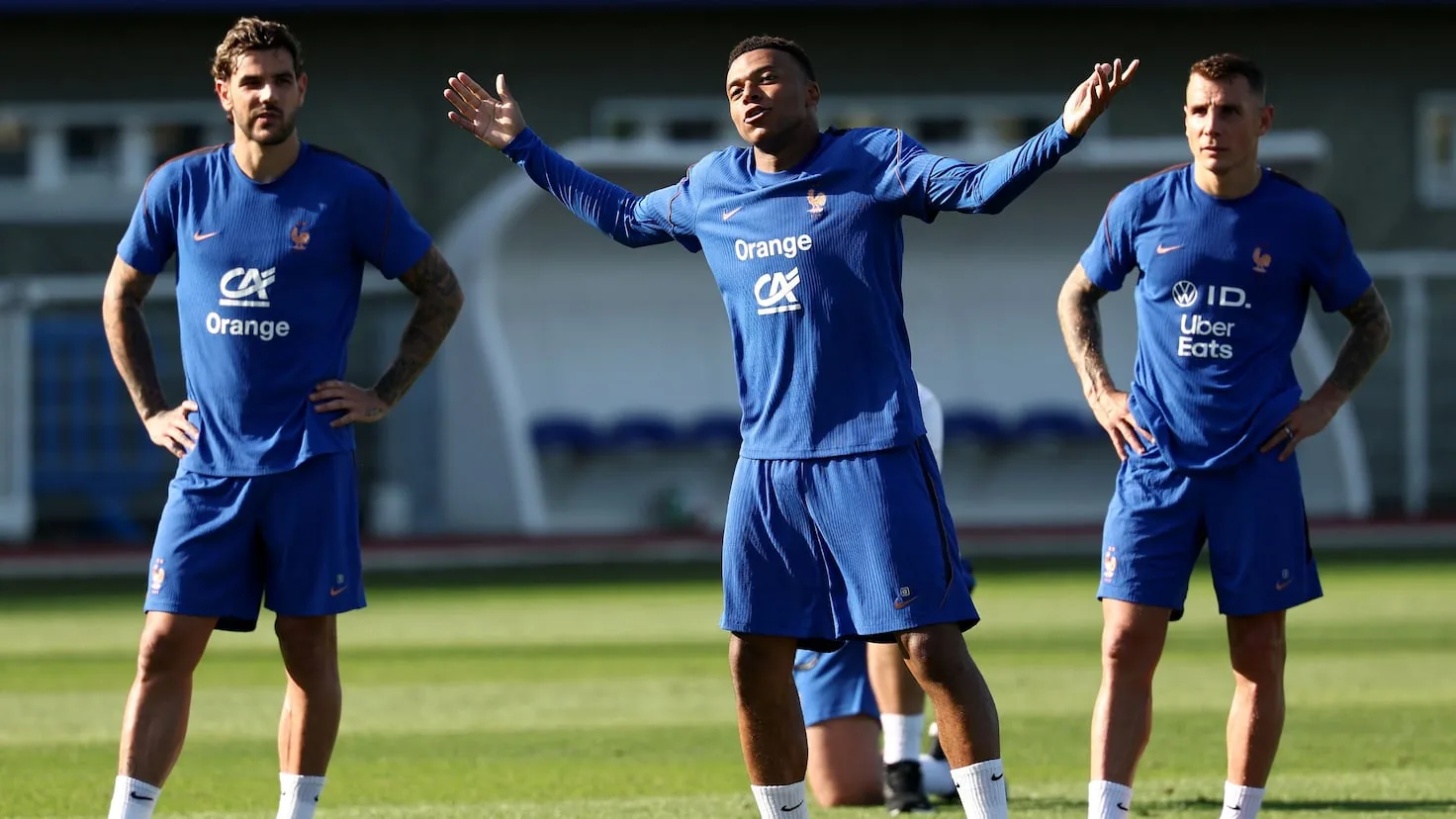
Siblings to represent various nations at 2026 World Cup
The upcoming 2026 World Cup is set to highlight the diverse nature of international football, with several sets of siblings preparing to represent different countries. This phenomenon underscores how family ties can transcend geographical and political boundaries in the sport. The expanded 48-team tournament, hosted across the United States, Canada, and Mexico, will feature brothers whose international careers have led them to different national teams.
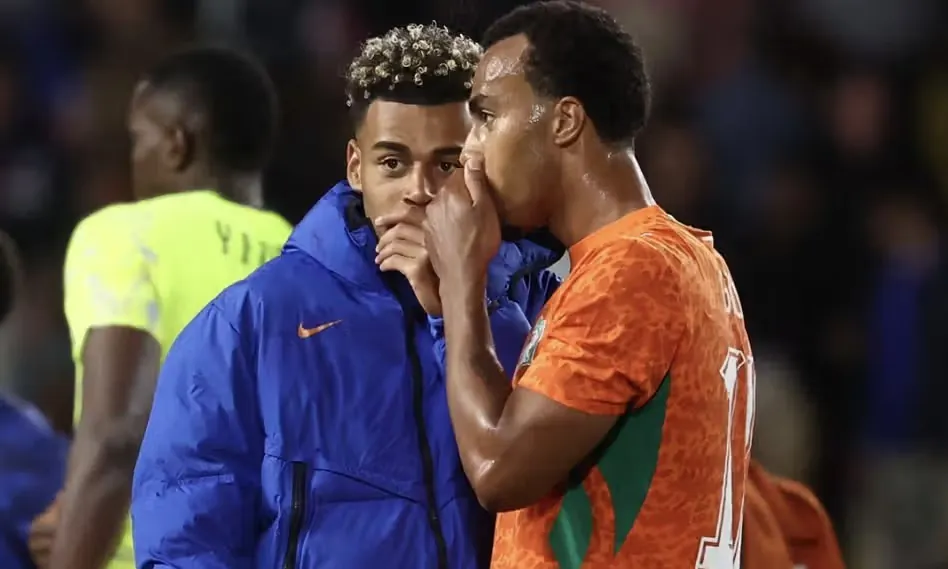
Among these siblings, the Doué brothers present a compelling narrative. Born in France to Ivorian parents, Désiré Doué and Guéla Doué have chosen distinct international paths. Désiré, recognized as an attacking talent, is part of France‘s new generation, contributing to their pursuit of a third World Cup title. Guéla, a defender, has opted to represent Cote d’Ivoire, his parents’ homeland, and has become an important figure for the Elephants, participating in their recent resurgence.
A potential encounter between France and Cote d’Ivoire in the knockout stages could see the brothers face each other. Such a matchup could occur if both teams finish as runners-up in their respective groups, Group I and Group E, leading to a meeting in the last 32. Guéla notably scored against France in a recent World Cup warm-up game in Nantes, though Désiré was an unused substitute in that match.
Ghanaian connections in the tournament
The Williams brothers, Iñaki and Nico, embody an inspirational story of migration and sacrifice. Their parents journeyed from Ghana to Spain, with their mother pregnant with Iñaki during the arduous trip. Both brothers have become prominent figures in Spanish football. Iñaki initially represented Spain at the senior level before switching his allegiance to Ghana ahead of the 2022 World Cup. Nico, however, remained with La Roja and has developed into a dangerous winger for Spain, playing a key role in Spain’s Euro 2024 triumph.
The brothers now find themselves on opposing sides internationally, with Iñaki wearing the Black Stars jersey and Nico representing Spain. Their success serves as a symbol of the immigrant experience and football’s capacity to bridge cultures. A match between Ghana and Spain in North America would create a significant family narrative within the tournament.
Another instance of Ghanaian heritage influencing international allegiances involves Derrick Luckassen and Brian Brobbey. Both players are products of the Netherlands‘ football system and share Ghanaian roots. Brobbey is part of the Dutch national team setup and is expected to play a prominent role as the Oranje aim for a first World Cup triumph. Luckassen, on the other hand, switched his allegiance to Ghana and has joined the Black Stars‘ player pool, having represented the Netherlands at youth level. He was called up by Ghana as a replacement for an injured player.
Other notable sibling pairings
The Souttar brothers, John and Harry, also illustrate this trend. Growing up in a football-focused household, they will represent different nations at the 2026 World Cup. John Souttar, a defender, represents Scotland, his birth country. Harry Souttar, also born in Scotland, chose to represent Australia through family eligibility and has become a cornerstone of the Socceroos‘ defense. He played a key role in Australia’s qualification campaign and remains an influential player for his country, having participated in his second World Cup after impressing in Qatar in 2022.
While some siblings will play for different nations, others will feature for the same country. Lucas Hernández and Theo Hernández, both French, are expected to be part of the France squad. Similarly, Jurrien Timber and his twin brother Quinten Timber are both in the Netherlands squad. Laros Duarte and his younger brother Deroy Duarte, born in the Netherlands, could team up for Cape Verde, which is making its first World Cup appearance. Additionally, Leandro Bacuna and Juninho Bacuna, also Dutch-born, declared for Curaçao several years ago.
The presence of these sibling pairings, particularly those representing different nations, adds an extra layer of intrigue to the already high-stakes matches of the 2026 World Cup, promising compelling family narratives throughout the tournament.
Read Also
Source: thecable.ng
 Yaw Appiah
 Kwame Ofori
 Evelyn Mensah