
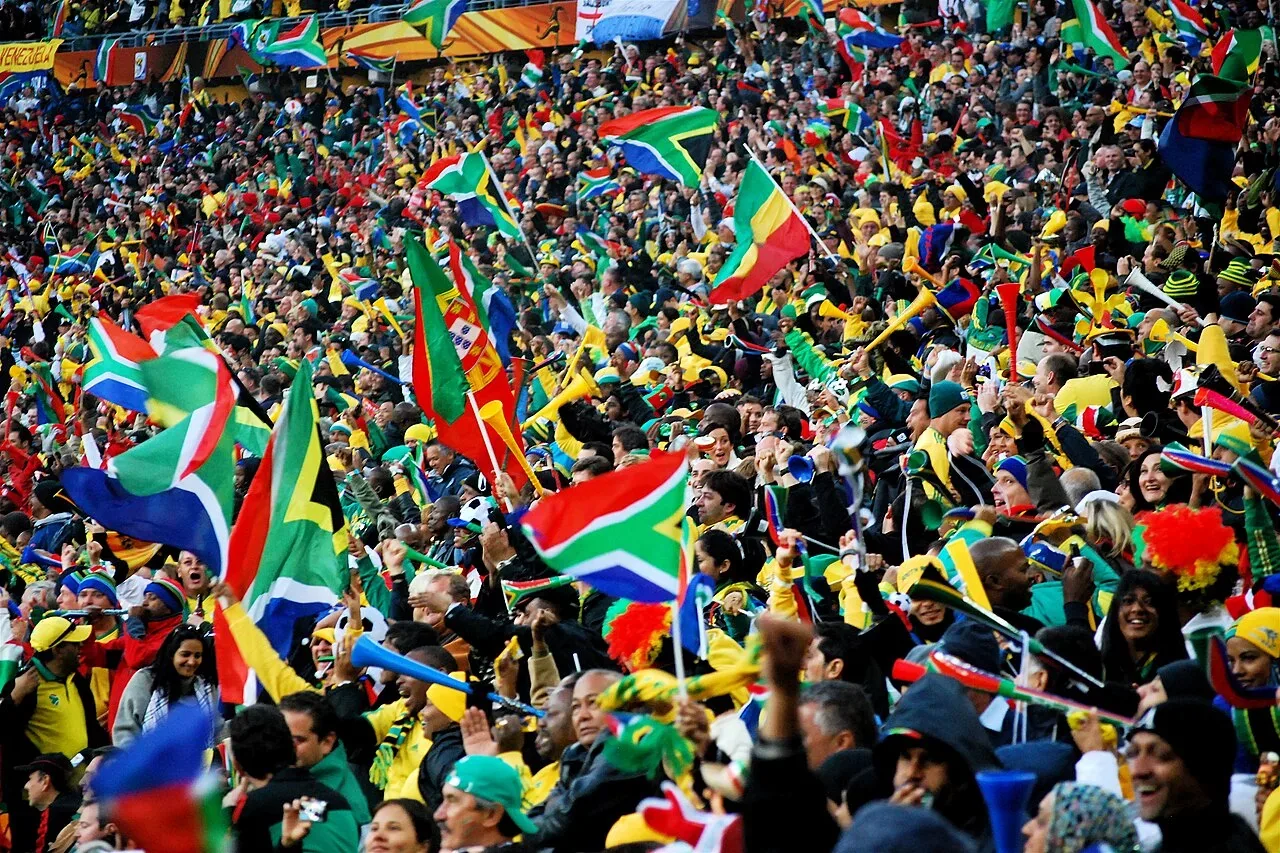
Johannesburg, the city that hosted the opening match of the FIFA World Cup in 2010, now faces a different reality in 2026. The city’s journey from a period of pride to one of financial strain is evident, as detailed in a recent BusinessTech opinion piece. This shift is particularly significant given that Johannesburg contributes approximately 16% of South Africa’s GDP, making its condition impactful on national growth.
In 2010, Johannesburg operated as a functioning metropolitan system. Traffic robots were reliable, and roads showed improvements due to a recently completed freeway upgrade programme. The city’s financial standing was stable, marked by an unqualified audit and a balanced budget. Capital expenditure on infrastructure development reached over 16% of its budget, reflecting a priority on long-term upgrades.
Shifting fiscal landscape
By 2026, the financial picture has changed considerably. The city’s budget has increased by more than 60% in real terms compared to 2010. However, property values have decreased by about 21%, which has weakened the city’s funding base. The Auditor-General has also reported qualified accounts, indicating a deterioration in financial controls over time.
The financial pressure is evident in several areas. The Auditor-General reported approximately R2 billion in unauthorised expenditure. Furthermore, Finance Minister Enoch Godongwana flagged a R10.3 billion salary agreement as unlawful. He also cautioned that the city is effectively operating in a state of bankruptcy, which could lead to the withholding of national support through an R8 billion equitable share grant adjustment.
Cash flow issues are adding further strain, with suppliers remaining unpaid, leading some to discontinue services. The city’s revenue plans rely on an 8.1% expenditure increase funded by a 6.5% revenue rise, which further constrains already limited fiscal space.
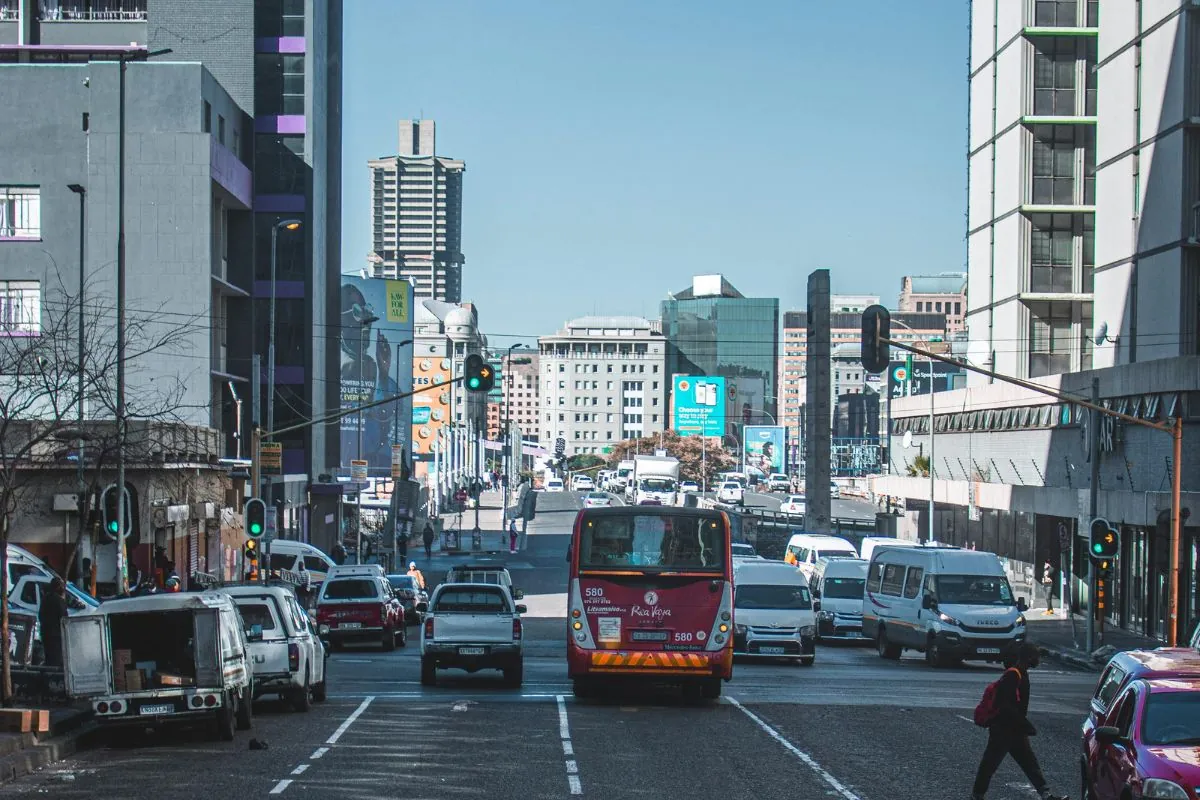
Infrastructure investment has also seen a decline, now sitting at about 6% of the budget, a notable drop from 16% in 2010. This reduction has resulted in growing backlogs in the maintenance of roads, water systems, and electricity networks, as funding has been diverted from long-term upgrades. Governance instability has also contributed to the strain, with Johannesburg experiencing approximately 10 mayors in 10 years. Business groups, including Business Leadership South Africa (BLSA), have described the situation as a national emergency.
Bafana Bafana’s 2010 and 2026 World Cup encounters
Amidst these developments, the memory of the 2010 FIFA World Cup remains. Siphiwe Tshabalala’s goal against Mexico in the opening match is a prominent memory for many. Former Bafana Bafana midfielder Kagiso Dikgacoi provided the assist for that goal at FNB Stadium. Dikgacoi reflected on the pride of representing his country at that stage, noting that the team was well-prepared both mentally and physically for the game.
Bafana Bafana drew 1-1 with Mexico in 2010. Although they later defeated France 2-1 in their final group match, a 3-0 loss to Uruguay ultimately prevented them from advancing to the last 16. In a twist of fate, Mexico is set to host Bafana Bafana in the opening match of the 2026 FIFA World Cup at the Azteca Stadium in Mexico City.
Hugo Broos’ Bafana Bafana team aims to become the first South African team to reach the knockout rounds of a World Cup. With the expansion to a 48-team World Cup, 32 teams will progress from the group stages. Dikgacoi believes that Bafana Bafana can achieve a positive result against Mexico, even in the intimidating atmosphere of the Azteca Stadium, which is expected to host around 80,000 home fans.
Dikgacoi stated that a draw or even a win is possible, citing the coach’s selection of a balanced team ready to compete. He believes that scoring first would silence the stadium and put pressure on the home team. Dikgacoi also suggested that Bafana Bafana should utilise their speed in attack, with players like Oswin Appollis, Tshepang Moremi, Thapelo Maseko, and ‘Rele’ Mofokeng possessing the pace to trouble opponents and create opportunities.
The comparison between 2010 and 2026 highlights a significant shift in Johannesburg’s execution capacity, financial control, and service delivery. This frames the city’s World Cup legacy not just as a moment of global pride, but also as a benchmark against which its subsequent challenges are measured, as Bafana Bafana prepares for their 2026 World Cup opener.
Read Also
Source: sapeople.com
 Yaw Appiah
 Kwame Ofori
 Ama Serwah