
Referee denied entry to US
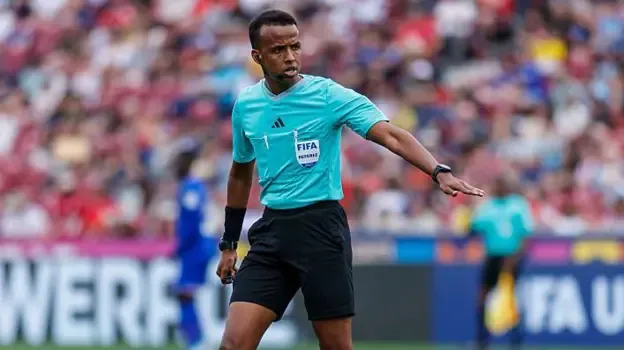
Omar Artan, a top referee from Africa, will not be officiating at the World Cup after being denied entry into the United States. Artan, who is from Somalia, reportedly flew into Miami to join other officials but was subsequently put on a plane back to his home country following an 11-hour questioning by immigration officials. This incident has raised concerns about the host nation’s immigration policies as the tournament approaches.
According to Piara Powar, executive director of the discrimination campaign group Fare, this situation marks an unprecedented event where a FIFA official referee has been refused entry for final preparations. Artan had expressed that he possessed the necessary papers and a valid visa for entry. However, Andrew Giuliani, who leads the White House Task Force on the World Cup, supported the decision made by customs and border patrol, stating that it was the correct one.
Artan had a significant year in 2025, becoming the first Somali to oversee a continental final. He officiated the second leg of Pyramids FC’s African Champions League final against Mamelodi Sundowns in June 2025. FIFA also appointed him to the U-20 World Cup in Chile, where he was in charge of the third-place play-off. Additionally, he refereed games at the Africa Cup of Nations in 2024 and 2025. In March 2026, Artan received an accolade that he believed should have been the peak of his career, expressing that officiating at the World Cup was every referee’s ambition and a culmination of years of effort.
Broader immigration concerns
The denial of entry for Omar Artan is not an isolated incident, as broader concerns about immigration policies affecting the World Cup have emerged. There have been reports of fans, players, officials, and journalists facing difficulties or being denied entry into the United States. Ian Wright, a former footballer, described the situation as a “World Cup of chaos” in a social media post, highlighting the continuous reports of individuals being denied access.
The current US administration’s approach to immigration has been a point of contention, particularly given past statements by FIFA President Gianni Infantino. In 2017, Infantino had stated that any team, including supporters and officials, qualifying for a World Cup must have access to the host country for the tournament to proceed. This sentiment was echoed when FIFA stripped Indonesia of its hosting rights for the U-20 World Cup after the governor of Bali refused entry to the Israel team.
However, FIFA has stated that it “is not involved in host country immigration processes, including visa adjudications.” The organisation clarified that, consistent with previous FIFA events, the host government ultimately determines who receives a visa and is admitted into the country. This stance has led to questions about how such a situation involving one of its own referees could have reached this point.
Impact on participating nations
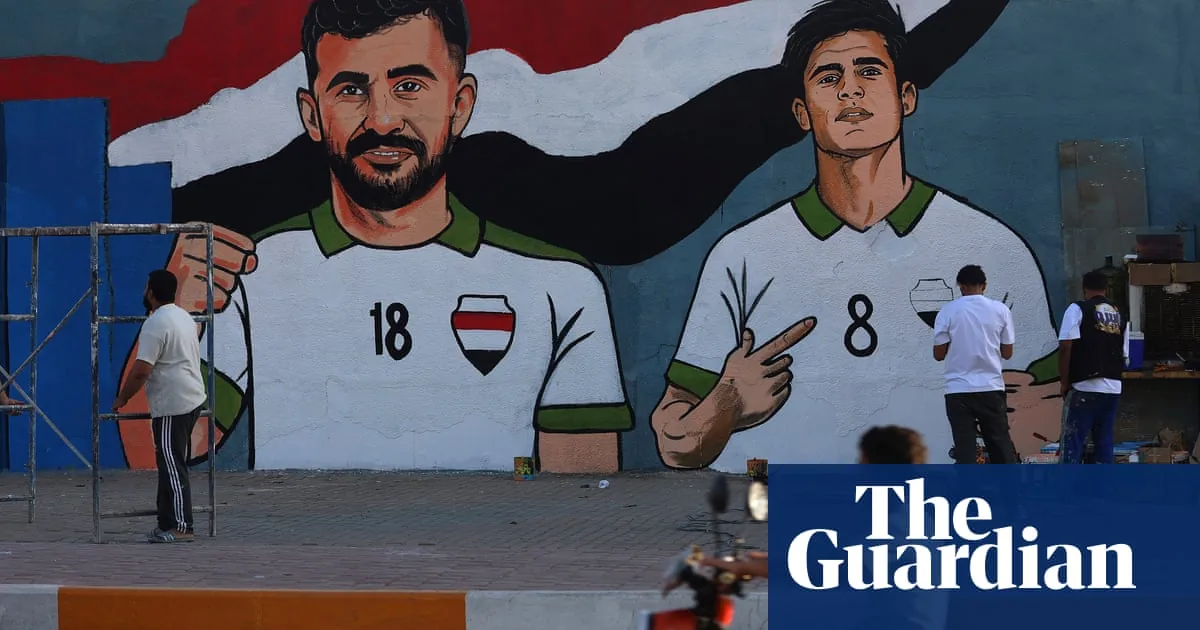
The strict immigration policies are also affecting participating national teams and their supporters. Iraq striker Aymen Hussein was reportedly held and questioned for several hours at Chicago’s O’Hare Airport, and the team’s photographer was denied entry. Members of the Senegal national team also underwent detailed bag inspections upon landing in San Antonio, Texas, while Uzbekistan’s squad faced searches by drug-sniffing dogs at their training camp in New York.
Furthermore, Iran’s football association reported that their allocation of tickets for the group stage has been revoked due to a decision by US authorities, disrupting fans’ travel plans. Iran has also accused the United States of denying visas to 15 members of their backroom staff. While the squad is permitted to fly in and out of the country for matches, the broader restrictions highlight the challenges faced by nations participating in the tournament.
Historically, World Cup hosts have often facilitated easy access for officials and supporters. For instance, Russia in 2018 removed visa requirements, and Qatar required a Hayya card that served as both a travel document and an entry pass to games. However, the current situation in the United States, with its extensive immigration crackdown, presents a different scenario, leading to concerns among fans and participating teams.
The next test for these policies is anticipated on Sunday when the Iran team is scheduled to arrive in the United States for the first time.
Read Also
Source: bbc.com
 Yaw Appiah
 Kwame Ofori
 Evelyn Mensah
 Ama Serwah